Making pie crust at home doesn’t have to feel intimidating. With just a few simple ingredients and the right technique, you can create a buttery, flaky crust that beats anything from the store.
Once you’ve done it a couple of times, it becomes second nature, and you’ll have the perfect base for pies, quiches, and tarts.
Ingredients You’ll Need
- 2 ½ cups all-purpose flour
- 1 teaspoon salt
- 1 tablespoon sugar (optional, for sweeter pies)
- 1 cup (2 sticks) unsalted butter, very cold
- 6–8 tablespoons ice water
Why Cold Ingredients Matter
The secret to flaky pie crust is cold butter. When butter stays cold and goes into the oven, it melts and releases steam.
That steam creates tiny pockets in the dough, which turn into those delicate, crisp layers we all love. If the butter gets too warm before baking, it blends completely into the flour, and the crust loses that flakiness.
I like to cut my butter into cubes and chill it in the freezer for about 10 minutes before using it. The flour should also be cool, and I even keep a cup of ice water nearby so I can drizzle it in slowly. All these little steps add up and make a big difference.
Mixing the Dough
Start by whisking the flour, salt, and sugar in a large mixing bowl. Then add the cold butter cubes. At this stage, you want to break down the butter into pea-sized pieces.
You can use a pastry cutter, two forks, or even your fingers, but if you use your hands, make sure you work quickly. The goal is to coat the butter with flour while still leaving visible chunks.
Once the butter looks unevenly mixed with the flour (which is exactly what you want), it’s time to add water.
Pour in a tablespoon at a time, mixing gently with a fork. The dough should start to clump together. Avoid overmixing — stop as soon as it comes together when pressed with your fingers.
Bringing It Together
Turn the dough out onto a lightly floured surface. Press it gently into a ball, then divide it into two discs. This makes it easier to roll out later, especially if you’re baking a double-crust pie.
Wrap each disc in plastic wrap and chill it in the refrigerator for at least one hour. This rest period relaxes the gluten in the flour and keeps the butter cold, which means easier rolling and better texture once baked.
Rolling Out the Dough
When the dough has chilled, take one disc out and let it sit on the counter for about five minutes. This softens it just enough to roll without cracking. Flour your surface and rolling pin lightly, then roll the dough from the center outward.
Turn it a quarter turn every couple of rolls to keep the circle even. If cracks form at the edges, pinch them together and keep going.
The rolled dough should be about ⅛ inch thick. Carefully lift it into your pie dish, pressing it gently against the bottom and sides. Don’t stretch it, because stretched dough shrinks while baking.
Making It Look Beautiful
If you’re baking a single-crust pie, trim the edges so about one inch of dough hangs over the rim. Fold it under itself and crimp with your fingers or press with a fork for a simple finish.
For a double-crust pie, roll out the second disc and place it on top of your filling. You can cut slits for steam or get creative with lattice designs. This part is fun and adds your personal touch.
Baking the Crust
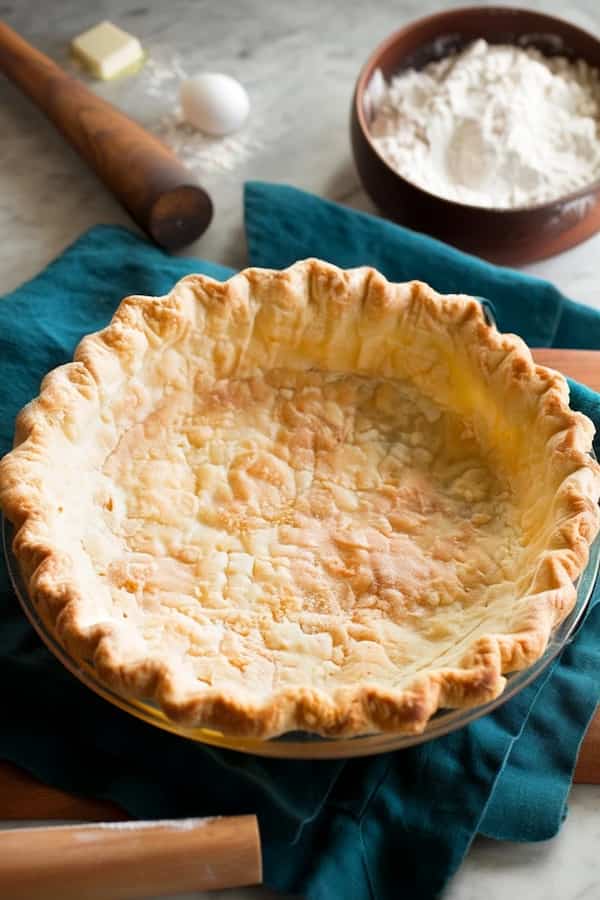
Some recipes, like pumpkin or custard pies, need blind-baking. This means baking the crust before adding the filling so it doesn’t turn soggy.
To do this, line the dough with parchment paper, fill it with pie weights or dried beans, and bake at 375°F for about 15 minutes. Then remove the weights and bake another 10 minutes until lightly golden.
For fruit pies, you usually bake the crust and filling together. Brush the top crust with an egg wash (a beaten egg with a splash of water) for that shiny, golden finish.
Tips From My Kitchen
Over the years, I’ve learned a few tricks that make pie crusts even better. First, don’t skimp on chilling time. Cold dough is easier to roll, and it bakes up flaky every time.
Second, handle the dough as little as possible. The more you work it, the tougher it becomes. And finally, don’t worry if your crust looks rustic. Imperfections add charm and show that it was homemade with love.
I still remember the first time I baked an apple pie from scratch with my grandmother’s recipe. The crust wasn’t perfect — it had cracks at the edges and uneven crimps — but the taste was incredible.
That experience taught me that pie crust isn’t about perfection; it’s about the joy of baking and sharing something homemade with people you care about.
Bringing It All Together
Pie crust may look intimidating, but once you try it, you’ll see how approachable it is. With flour, butter, salt, and water, you can create a dough that’s versatile enough for sweet or savory pies.
From holiday pumpkin pie to summer berry pies or even quiches, this recipe will be your foundation.
Every time you make it, you’ll get a little better at rolling, crimping, and baking. Soon it will feel like second nature. And when friends or family take that first bite and rave about the flaky crust, you’ll know the effort was worth it.