Making a great chicken curry at home is much easier than people think. You do not need a massive spice rack to create a dish that smells and tastes like a professional kitchen.
This recipe focuses on building deep flavor layers using basic ingredients that you can find at any local grocery store.

Ingredients
This recipe makes 4 servings, perfect for a family dinner or for having high-quality leftovers the next day.
- 1.5 pounds boneless, skinless chicken thighs, cut into bite-sized pieces
- 2 tablespoons vegetable oil
- 1 large yellow onion, finely chopped
- 3 cloves garlic, minced
- 1 tablespoon fresh ginger, grated
- 2 tablespoons mild curry powder
- 1 teaspoon ground turmeric
- 1 can (14 ounces) crushed tomatoes
- 1 can (14 ounces) full-fat coconut milk
- 1 teaspoon salt
- 1/2 teaspoon black pepper
- 1 tablespoon lime juice
- Fresh cilantro for garnish
The Base
The secret to a top-notch curry is the onion base. Many people rush this step, but taking the time to cook the onions until they are soft and golden is what creates the “soul” of the sauce.
As the onions brown, their natural sugars release and provide a sweetness that balances the heat of the spices. This is not about speed; it is about letting the heat do the work for you.
Using chicken thighs instead of breasts is another smart move for this dish. Curry involves simmering the meat in liquid, and chicken breasts can easily become dry or stringy during this process. Thighs have a bit more fat and a tighter grain, which means they stay tender and soak up the sauce without falling apart.
It results in a much heartier and more satisfying meal.
Soft Start
Heat the vegetable oil in a large pot or a deep skillet over medium heat. Add your chopped onions and a pinch of salt. Cook them for about 8 to 10 minutes, stirring occasionally. You want them to be translucent and starting to turn a light brown around the edges.
If they start to burn, turn the heat down slightly. This slow cook is the foundation for everything else that follows.
Spice Bloom
Add the minced garlic and grated ginger to the pot. Stir them into the onions for just one minute until you can really smell them. Now, add the curry powder and turmeric. This is called “blooming” the spices. By frying the dry powder in the oil for 30 seconds, you wake up the essential oils in the spices.
This makes the final curry taste much more vibrant than if you just dumped the powder into the liquid later.
Meat Sear
Push the onion and spice mixture to the sides of the pot and add the chicken pieces to the center. Turn the heat up to medium-high. Brown the chicken for about 5 minutes.
You are not trying to cook the chicken all the way through at this stage; you just want to get a little bit of color on the outside. The spices will coat the meat, ensuring every bite is seasoned.
Liquid Build
Pour in the crushed tomatoes and the coconut milk. Stir everything together, making sure to scrape the bottom of the pot to get all the flavorful brown bits that stuck to the pan.
Add the salt and black pepper. The mixture will look quite light because of the coconut milk, but it will darken and intensify in color as it simmers.
Slow Simmer
Turn the heat down to low and cover the pot with a lid. Let the curry simmer gently for about 20 to 25 minutes. This slow cook allows the chicken to become incredibly tender and gives the spices time to fully merge with the tomatoes and cream.
Every ten minutes, give it a quick stir to make sure nothing is sticking to the bottom. The sauce should thicken up into a rich, velvety consistency.
Bright Finish
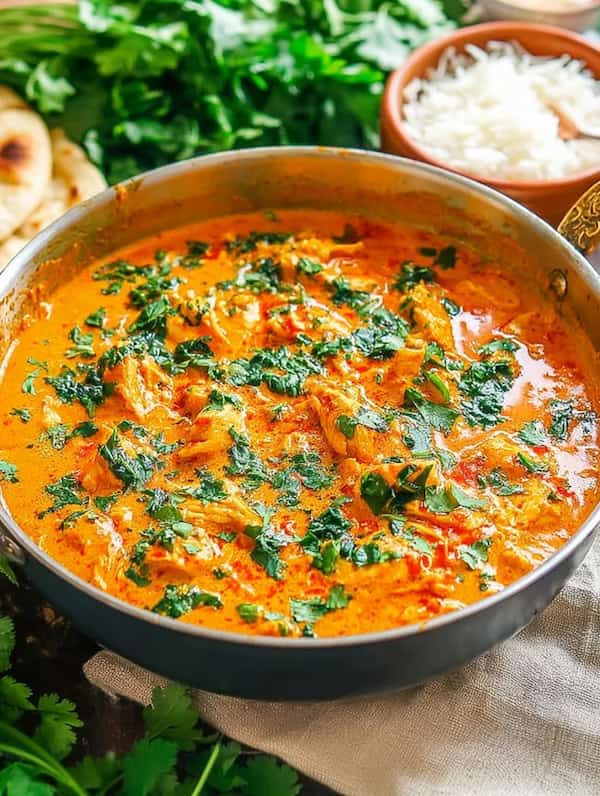
Once the chicken is cooked through and the sauce is thick, turn off the heat. Stir in the lime juice. This final hit of acidity acts like a “volume knob” for the flavor, making the spices pop and cutting through the richness of the coconut milk.
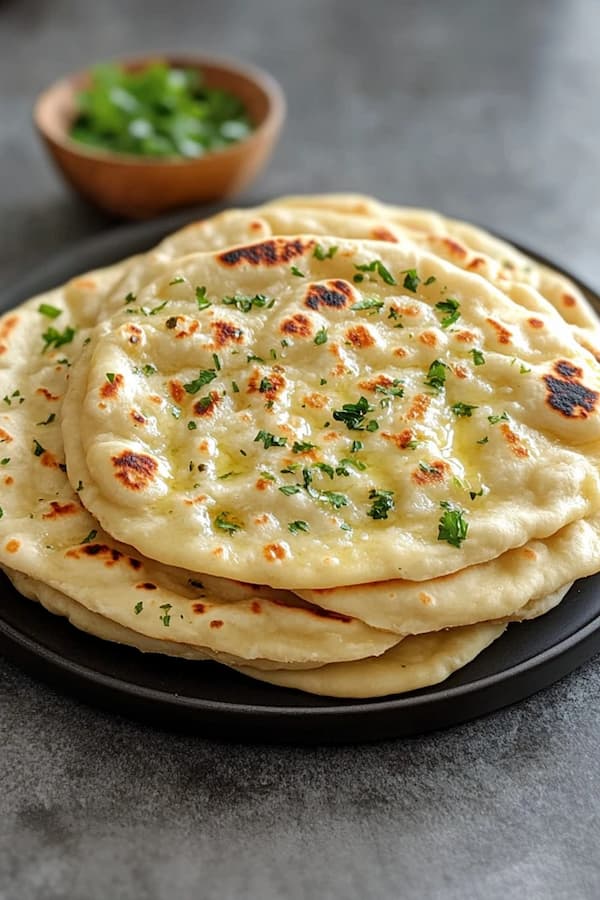
Taste the sauce one last time and add a bit more salt if needed. Serve it hot over a bed of basmati rice or with a piece of warm naan bread.
Better Body
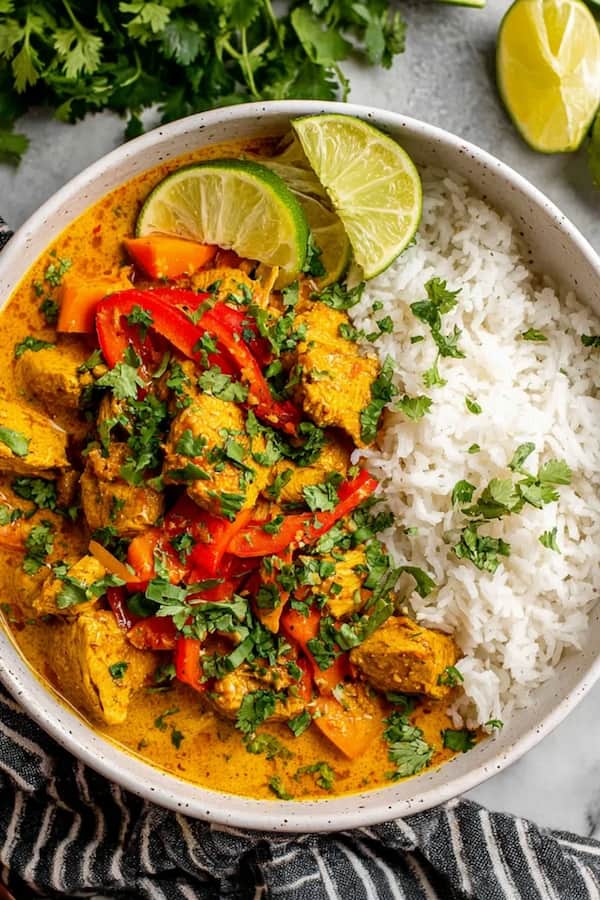
If you prefer a curry that is even thicker, you can leave the lid off for the last ten minutes of simmering. This allows some of the water in the tomatoes to evaporate, concentrating the flavor even more. For an extra-smooth sauce, some cooks like to blend the onion and tomato mixture before adding the chicken, but leaving it chunky gives the dish a more rustic, homemade feel that most people enjoy.
Another tip for a better body is the choice of coconut milk. Always go for the full-fat canned version rather than the carton milk found in the refrigerated section. Canned coconut milk has a much higher fat content, which is necessary to get that restaurant-style mouthfeel. If you use a thin, low-fat milk, the sauce might separate or look watery.
Common Pitfalls
One big mistake is adding the garlic too early. Garlic burns much faster than onions. If you put it in at the start, it will turn bitter and ruin the taste of the entire sauce. Always wait until the onions are finished cooking before you add the aromatics.
This ensures you get the sweetness of the garlic without the burnt aftertaste.
Another issue is over-salting at the beginning. As the sauce simmers and reduces, the saltiness will become more concentrated. It is always better to under-salt in the early steps and then adjust the seasoning right before serving. This keeps the dish balanced and prevents it from becoming too heavy on the palate.
What Is The Difference Between Curry Powder and Garam Masala?
While they look similar, they serve different purposes. Curry powder is usually a blend of turmeric, cumin, coriander, and chili, and it is meant to be cooked into the base of the dish to provide the main flavor. Garam masala is a “warm” spice blend that often contains cinnamon, cardamom, and cloves.
It is usually added at the very end of cooking to provide a fragrant aroma. If you have garam masala in your pantry, you can sprinkle half a teaspoon over the finished dish for an extra layer of complexity.
Can I Add Vegetables To This Chicken Curry?
Yes, this recipe is very flexible. If you want to add more nutrients, you can toss in some diced potatoes or cauliflower florets at the same time you add the tomatoes and milk. Just keep in mind that these vegetables will soak up some of the liquid, so you might need to add a splash of water or chicken broth to keep the sauce from getting too dry.
Spinach is also a great addition; just stir in a few handfuls of fresh leaves at the very end and let them wilt in the heat of the sauce.
Ingredients
Method
- Heat the vegetable oil in a large pot or a deep skillet over medium heat. Add your chopped onions and a pinch of salt. Cook them for about 8 to 10 minutes, stirring occasionally.
- Add the minced garlic and grated ginger to the pot. Stir them into the onions for just one minute until you can really smell them. Now, add the curry powder and turmeric. This is called “blooming” the spices.
- Push the onion and spice mixture to the sides of the pot and add the chicken pieces to the center. Turn the heat up to medium-high. Brown the chicken for about 5 minutes.
- You are not trying to cook the chicken all the way through at this stage; you just want to get a little bit of color on the outside.
- Pour in the crushed tomatoes and the coconut milk. Stir everything together, making sure to scrape the bottom of the pot to get all the flavorful brown bits that stuck to the pan.
- Add the salt and black pepper. The mixture will look quite light because of the coconut milk, but it will darken and intensify in color as it simmers.
- Turn the heat down to low and cover the pot with a lid. Let the curry simmer gently for about 20 to 25 minutes. Every ten minutes, give it a quick stir to make sure nothing is sticking to the bottom.
- Once the chicken is cooked through and the sauce is thick, turn off the heat. Stir in the lime juice.
- Taste the sauce one last time and add a bit more salt if needed. Serve it hot over a bed of basmati rice or with a piece of warm naan bread.