Cooking at home often feels like a puzzle, but a solid stir fry is the one piece that always fits. This beef and vegetable dish is my favorite way to clear out the fridge while making something that tastes like a professional chef handled it.
It is all about the sound of a hot pan and the smell of toasted ginger filling your kitchen.
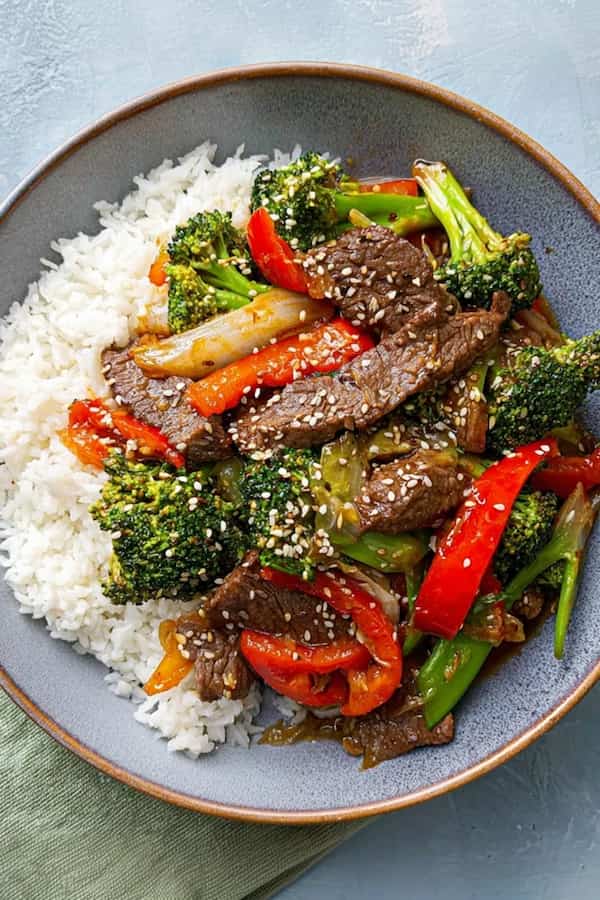
The Load
This recipe is designed to serve 4 people and goes perfectly with a side of white rice or thick noodles.
- 1 pound flank steak or top sirloin, sliced into thin strips
- 1 large head of broccoli, cut into small florets
- 2 medium carrots, peeled and sliced into thin coins
- 1 bell pepper (any color), sliced into strips
- 1/2 cup snap peas, trimmed
- 3 cloves garlic, minced
- 1 tablespoon fresh ginger, grated
- 1/4 cup soy sauce
- 2 tablespoons brown sugar
- 1 tablespoon rice vinegar
- 1 tablespoon cornstarch
- 1/2 cup beef broth or water
- 3 tablespoons vegetable oil
- 1 teaspoon sesame oil
The Setup
The most important thing to know about stir-frying is that it is a fast process. Once the meat hits the oil, you will not have time to chop a single vegetable or look for a measuring spoon. I always tell my friends to do “the prep” first.
This means having every vegetable chopped and every liquid measured out in small bowls before you even turn on the stove.
If you are organized, the actual cooking takes less than ten minutes. If you are not, you will likely overcook the beef while trying to find the soy sauce.
Clean your workspace, get your bowls ready, and treat the preparation like a quiet moment before the high-energy cooking starts. It makes the whole experience much more relaxing.
Slice Right
When you look at a piece of beef, you will see thin white lines running through it. This is the grain. Always slice your beef across those lines, not with them. Cutting across the grain shortens the muscle fibers, which makes the meat much more tender. If you cut with the grain, the beef will be chewy and tough.
For the best results, put the beef in the freezer for 20 minutes before slicing; it makes it much easier to get those paper-thin strips.
Meat Coat
Put your beef strips in a bowl and toss them with one tablespoon of the soy sauce and half of your cornstarch. This is a quick way to protect the meat.
The cornstarch creates a very thin barrier that holds the juices inside the beef. It also helps the meat brown faster. Let it sit on the counter while you finish the rest of the steps.
Sauce Build
In a separate jar or bowl, whisk together the rest of the soy sauce, brown sugar, rice vinegar, sesame oil, the remaining cornstarch, and the beef broth. Make sure the sugar is fully dissolved. This is your “everything” sauce.
It provides the salt, the sweet, and the thickness. Give it a quick stir right before you use it, as cornstarch likes to settle at the bottom.
Sear Phase
Heat two tablespoons of vegetable oil in a large skillet or a wok over high heat. Wait until the oil is shimmering and just starting to smoke. Add the beef in a single layer. Do not stir it immediately. Let it sit for one minute to get a dark brown crust.
Flip it and cook for another minute, then take the beef out of the pan and put it on a clean plate. The beef should still be a little pink in the middle.
Green Flash
Wipe out the pan if there are burnt bits, add the last tablespoon of oil, and toss in the broccoli and carrots. These take the longest to cook. Stir them for two minutes. Add the bell peppers and snap peas. You want the vegetables to be bright and snappy.
If the pan looks too dry, add a spoonful of water to create a bit of steam. This helps the broccoli soften without burning.
Final Toss
Push the vegetables to the edges of the pan and drop the garlic and ginger into the center. Stir them for 30 seconds until you can smell them. Now, add the beef and its juices back into the pan. Pour the sauce over everything. Keep tossing and stirring for about 60 seconds.
The sauce will bubble and turn into a thick, glossy glaze that sticks to the beef and vegetables. Turn off the heat as soon as the sauce is thick.
Better Texture
If you want your stir fry to have that “top-notch” look, pay attention to the color of your vegetables. They should stay vibrant. If the broccoli turns a dull, dark green, it is overcooked. The goal is “tender-crisp,” which means the vegetable is cooked through but still has a firm bite. This keeps the nutrients in the food and makes the plate look much more appetizing.
Another tip is to avoid overcrowding the pan. If you have a small skillet, cook the beef in two separate batches. If the pan is too full, the temperature drops and the meat will steam instead of searing. You want that hard sear to get the best flavor. It is better to take the extra three minutes to cook in batches than to end up with grey, soggy meat.
Smart Swaps
This recipe is a great base for whatever you have on hand. You can use zucchini, mushrooms, or baby corn instead of the peppers and peas. If you want a bit of heat, add a teaspoon of chili garlic sauce or some red pepper flakes to the sauce mixture.
For the beef, flank steak is the traditional choice because it is lean and easy to slice. However, you can also use skirt steak or even thin-cut ribeye if you want a richer flavor. Just make sure to remove any large chunks of fat before you start, as they won’t have time to render down in such a quick cooking process.
Common Pitfalls
The most common mistake is using the wrong oil. Do not use extra virgin olive oil for stir-frying. It has a low smoke point, meaning it will burn and taste bitter at the high temperatures needed for this recipe. Stick to vegetable oil, canola oil, or peanut oil.
These can handle the heat without breaking down.
Another issue is the sauce becoming too thick. If you let the sauce simmer for too long, the cornstarch will turn it into a thick paste. If this happens, just add a splash of water or broth to thin it back out. You want the sauce to be like a thin gravy that coats the food, not a heavy jelly.
How Can I Make The Beef Even More Tender?
If you want the beef to be as soft as what you get at a high-end restaurant, you can use a technique called “velveting” with baking soda. Toss your raw beef strips with 1/2 teaspoon of baking soda and let them sit for 15 minutes.
After that, you must rinse the beef very well under cold water and pat it dry before you start the recipe. The baking soda changes the surface of the meat so the proteins don’t tighten up when they hit the heat. It sounds strange, but it works every time.
Can I Use Frozen Vegetables For This Stir Fry?
You can use frozen vegetables, but there is a trade-off. Frozen vegetables release a lot of water as they thaw in the pan. This can make your stir fry a bit more watery and less “crisp” than if you used fresh ones. If you use frozen, do not thaw them first.
Throw them straight into the hot pan and cook them on high heat to help the moisture evaporate as fast as possible. You might also want to leave the lid off the pan so the steam can escape.
Final Thoughts
A beef stir fry is one of the most useful recipes you can learn. It is fast, healthy, and everyone seems to love it. Once you understand how to sear the meat and timing the vegetables, you can make a thousand different versions of this dish.
There is a real satisfaction in eating a meal that is full of fresh colors and bold flavors. It is much better than anything you can get in a cardboard box from a delivery driver. Take your time with the prep, get your pan hot, and enjoy the process. It is a simple way to bring a little bit of excitement to a regular weeknight.
Meta Description
Master the art of the perfect beef stir fry with this simple guide. Learn how to slice meat for tenderness and create a glossy, savory sauce in under 20 minutes.