There’s something special about making biryani at home. The smell of warm spices and basmati rice fills the whole house. It feels like a celebration, even on a regular weekday.

Why This Biryani Works at Home
Traditional chicken biryani can look intimidating, with long ingredient lists and lots of steps. This version keeps the soul of biryani—fragrant rice, tender chicken, and layered spices—but makes it realistic for a home kitchen. No restaurant equipment, no complicated techniques, just a calm flow of simple steps.
You still get the key elements: marinated chicken full of flavor, parboiled basmati rice, and a gentle “dum” (steam cooking) at the end so everything comes together. The result is a pot of biryani that looks and smells like something you’d be proud to serve to guests, but it’s easy enough to cook on a regular evening.
Ingredients (Serves 4–5)
For the Chicken Marinade
- 700–800 g chicken (bone-in pieces work best, like thighs and drumsticks)
- 1 cup plain yogurt
- 2 tablespoons lemon juice
- 1 tablespoon ginger-garlic paste
- 1 teaspoon ground turmeric
- 1 ½ teaspoons ground coriander
- 1 ½ teaspoons ground cumin
- 1–2 teaspoons garam masala
- ½–1 teaspoon chili powder (adjust to taste)
- 1 teaspoon salt
For the Rice
- 2 cups basmati rice
- 6–7 cups water
- 1 bay leaf
- 4–5 whole cloves
- 4–5 green cardamom pods
- 1 small cinnamon stick
- 1 teaspoon salt
For the Biryani Layering
- 2 large onions, thinly sliced
- 3 tablespoons oil or ghee
- 2 tablespoons chopped fresh coriander (cilantro)
Rinse and Soak the Rice
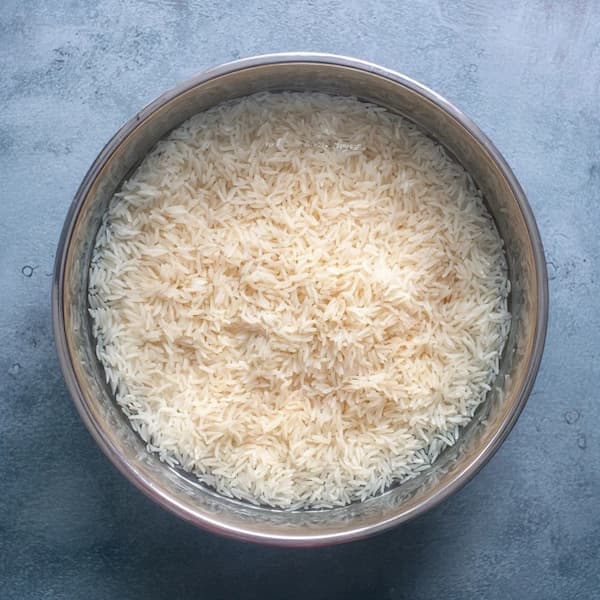
Rinse the basmati rice in cold water several times until the water runs almost clear. This removes extra starch and prevents the rice from turning sticky.
Cover the rice with fresh water and let it soak for about 20–30 minutes while you work on the rest. Soaked rice cooks longer and stays fluffy instead of breaking.
Marinate the Chicken
Add the chicken pieces to a large bowl. Stir in the yogurt, lemon juice, ginger-garlic paste, turmeric, coriander, cumin, garam masala, chili powder, and salt.
Use your hands or a spoon to coat every piece well.

Ideally, let the chicken marinate for at least 30 minutes. If you have more time, one to two hours in the fridge is even better. The longer it sits, the deeper the spices soak in, and the more tender the meat becomes.
Fry the Onions
In a large heavy pot or deep pan (this will be your biryani pot), heat the oil or ghee over medium heat.
Add the sliced onions and cook slowly, stirring now and then, until they turn golden brown and caramelized. This can take 10–15 minutes.
Don’t rush this step. Deeply browned onions are one of the secrets to a rich, flavorful biryani. Once done, remove about one-third of the onions and set them aside for layering on top later.
Leave the rest in the pot.
Cook the Chicken
Keep the remaining onions in the pot and reduce the heat to medium-low. Add the marinated chicken (with all the marinade) into the pot and stir gently.
Cook until the chicken is mostly done and the sauce thickens a little—around 15–20 minutes.
You don’t need the chicken completely falling off the bone yet; it will finish cooking when the biryani steams.

Taste the sauce and adjust salt or spice if needed. This is the base of your biryani, so you want it nicely seasoned.
Parboil the Rice
While the chicken cooks, bring a large pot of water to a boil. Add the bay leaf, cloves, cardamom pods, cinnamon, and salt. Drain the soaked rice and add it to the boiling water.
Cook the rice until it is about 70–80% done—still slightly firm in the center when you bite it.
This usually takes 6–8 minutes, depending on the rice. Drain the rice carefully and set aside.
Prepare the Saffron Milk (Optional)
If using saffron, warm the milk slightly and add the saffron strands. Let them sit for a few minutes to release their color and aroma. This will give your biryani those classic yellow-orange streaks and a gentle fragrance.
Layer the Biryani
Now the fun part: layering. Make sure the chicken mixture is spread evenly over the bottom of your pot. There should be some thick sauce/gravy around it.
Add a layer of rice over the chicken, using about half the rice. Sprinkle a little chopped coriander and mint, plus some of the reserved fried onions. Add the remaining rice on top in an even layer.
Finish with the rest of the fried onions, more coriander and mint if you like, and drizzle the saffron milk over patches of the rice. Don’t stir. Biryani is about layers, not mixing.
Steam (“Dum”) the Biryani
Cover the pot with a tight lid. If your lid isn’t tight, you can seal the edges with a piece of foil or even a simple dough made from flour and water. This traps the steam.
Turn the heat to low and let the biryani cook gently for about 15–20 minutes. This step lets the rice finish cooking in the steam and absorbs all the flavors from the chicken below.
When you remove the lid, you should see fluffy rice, a beautiful aroma, and little wisps of steam rising.

Rest and Serve
Turn off the heat and let the biryani sit for another 5–10 minutes. This rest makes the layers settle and the grains firm up a bit, so they don’t break when served.
When you serve, gently scoop from the bottom upward so each plate gets both rice and chicken.
Serve with yogurt, raita, salad, or a simple cucumber and tomato side.
Helpful Tips for Easier Biryani
- Use basmati rice for the best texture and aroma.
- Don’t skip soaking the rice. It really helps it cook evenly.
- Bone-in chicken has more flavor, but boneless works if you prefer.
- Always taste the chicken gravy before adding rice; this is your last chance to adjust seasoning.
- Keep the heat low during the final “dum” so nothing burns.
When to Make This Easy Chicken Biryani
This recipe fits almost any occasion. It’s special enough for holidays, birthdays, or family dinners, but simple enough to make on a Sunday meal prep day. Leftovers taste even better the next day because the spices have more time to mingle.
It’s also a great recipe to cook when you want to slow down a little—each step is simple, but together they feel meaningful. By the time you lift the lid and that first cloud of fragrant steam rises, it really does feel like you’ve created something worth gathering around.
Can I Use Brown Rice or Regular Long-Grain Rice?
You can, but it changes the cooking time. Brown rice takes longer and needs more water, so you’ll have to parboil it for more time and allow extra steaming. Regular long-grain rice works, but you won’t get the same fragrance and fluffy texture as you do with basmati.
Can I Make This Biryani Ahead of Time?
Yes. You can cook the full biryani, let it cool slightly, and store it in the fridge. Reheat gently on the stovetop or in the oven with a splash of water and a tight lid so it doesn’t dry out. The flavors deepen as it rests, so many people enjoy biryani even more the next day.
If you’d like, I can also create SEO title + meta description + keyword list for this chicken biryani recipe.
Ingredients
Method
- Rinse the basmati rice in cold water several times until the water runs almost clear. Cover the rice with fresh water and let it soak for about 20–30 minutes while you work on the rest.
- Add the chicken pieces to a large bowl. Stir in the yogurt, lemon juice, ginger-garlic paste, turmeric, coriander, cumin, garam masala, chili powder, and salt. Use your hands or a spoon to coat every piece well.
- Ideally, let the chicken marinate for at least 30 minutes. If you have more time, one to two hours in the fridge is even better.
- In a large heavy pot or deep pan (this will be your biryani pot), heat the oil or ghee over medium heat .Add the sliced onions and cook slowly, stirring now and then, until they turn golden brown and caramelized. This can take 10–15 minutes.
- Once done, remove about one-third of the onions and set them aside for layering on top later.
Cook the Chicken
- Keep the remaining onions in the pot and reduce the heat to medium-low. Add the marinated chicken (with all the marinade) into the pot and stir gently.
- Cook until the chicken is mostly done and the sauce thickens a little—around 15–20 minutes. Taste the sauce and adjust salt or spice if needed.
Parboil the Rice
- While the chicken cooks, bring a large pot of water to a boil. Add the bay leaf, cloves, cardamom pods, cinnamon, and salt. Drain the soaked rice and add it to the boiling water.
- Cook the rice until it is about 70–80% done—still slightly firm in the center when you bite it. This usually takes 6–8 minutes, depending on the rice.
Layer the Biryani
- Make sure the chicken mixture is spread evenly over the bottom of your pot. There should be some thick sauce/gravy around it.
- Add a layer of rice over the chicken, using about half the rice. Sprinkle a little chopped coriander and mint, plus some of the reserved fried onions. Add the remaining rice on top in an even layer.
- Finish with the rest of the fried onions, more coriander and mint if you like, and drizzle the saffron milk over patches of the rice.
- Cover the pot with a tight lid. If your lid isn’t tight, you can seal the edges with a piece of foil or even a simple dough made from flour and water. This traps the steam.
- Turn the heat to low and let the biryani cook gently for about 15–20 minutes.
- Turn off the heat and let the biryani sit for another 5–10 minutes.
Notes
- Use basmati rice for the best texture and aroma.
- Don’t skip soaking the rice. It really helps it cook evenly.
- Bone-in chicken has more flavor, but boneless works if you prefer.
- Always taste the chicken gravy before adding rice; this is your last chance to adjust seasoning.
- Keep the heat low during the final “dum” so nothing burns.