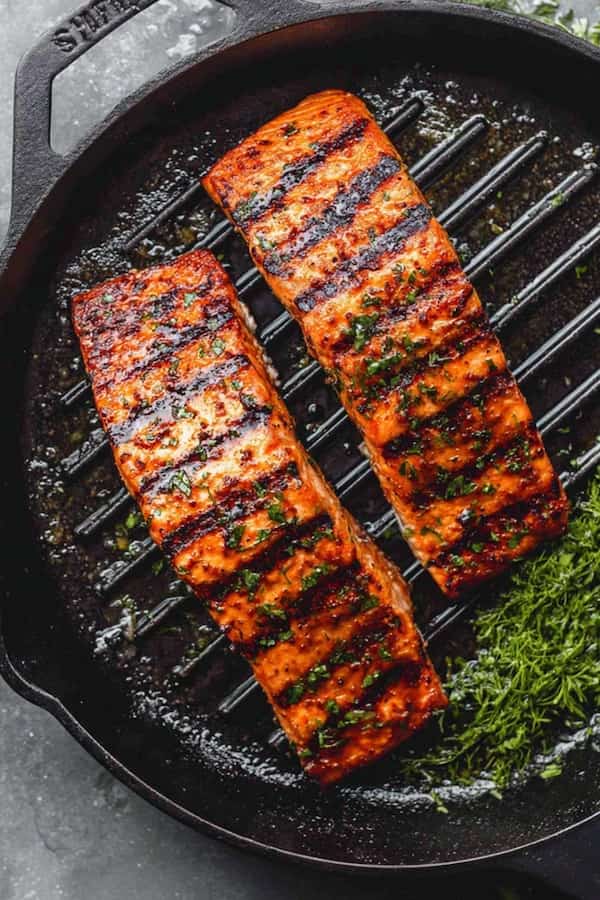
Grilling salmon is one of the fastest ways to get a high-quality dinner on the table without much cleanup. This honey garlic soy sauce version is a favorite because the sugar in the honey caramelizes over the flames to create a sticky, dark crust.
It is a sweet and salty meal that works just as well for a busy Tuesday as it does for a weekend cookout with friends.
Ingredients
This recipe serves 4 people and works best with side dishes like steamed bok choy or jasmine rice.
- 4 salmon fillets (about 6 ounces each)
- 1/4 cup soy sauce
- 3 tablespoons honey
- 2 cloves garlic, minced
- 1 tablespoon fresh ginger, grated
- 1 tablespoon rice vinegar
- 1 teaspoon toasted sesame oil
- 1/2 teaspoon black pepper
- 1 tablespoon vegetable oil (for the grill)
- Green onions and sesame seeds for garnish
The Glaze
A good marinade does two things: it adds flavor to the surface of the fish and it helps the meat stay moist while it sits over the high heat of the grill.
Salmon is a fatty fish, which means it can handle the intense heat of a charcoal or gas flame much better than white fish like tilapia or cod. The honey in this glaze is the most important part because it acts like a glue for the garlic and ginger.
When the honey hits the hot grill, it undergoes a process called the Maillard reaction. This is just a fancy way of saying the sugars turn brown and savory. If you used only soy sauce, the flavor would be good, but you wouldn’t get that beautiful, charred exterior that makes grilled food taste so distinct. This balance of salty soy and sweet honey is a classic for a reason.
Sauce Mix
In a small bowl, whisk together the soy sauce, honey, minced garlic, grated ginger, rice vinegar, sesame oil, and black pepper. Stir it until the honey is fully dissolved into the liquid. Take about three tablespoons of this mixture and put it in a separate tiny bowl to save for later.
You don’t want to use the same brush on the raw fish and the cooked fish, so keeping some sauce separate is a smart safety move.
Cold Soak
Place your salmon fillets in a shallow dish or a large plastic bag. Pour the rest of the marinade over the fish. Let it sit in the refrigerator for at least 30 minutes.
You do not want to leave it for more than two hours, because the acid in the rice vinegar will start to “cook” the fish and change the texture. Thirty minutes is the sweet spot for the flavors to penetrate the surface.
Grill Prep
Heat your grill to medium-high. While it is heating up, take a paper towel dipped in vegetable oil and carefully wipe down the grill grates using tongs.
This creates a non-stick surface. Salmon skin is notorious for sticking to metal, so don’t skip this step. If the grates are clean and oiled, the fish will lift off easily when it is time to flip.
Skin Down
Place the salmon fillets on the grill with the skin side facing down. Close the lid and let them cook for about 4 to 5 minutes. The skin acts as a heat shield, protecting the delicate meat from burning while the fat underneath melts and keeps the fish juicy.
You will see the color of the salmon start to change from a translucent pink to an opaque light orange starting from the bottom up.
The Flip
Use a wide, flat spatula to gently flip the fillets over. If the fish feels like it is stuck to the grate, give it another 30 seconds. Usually, the fish will “release” itself once the skin is crispy enough.
Cook on the second side for another 3 to 4 minutes. This is when the honey in the marinade will start to bubble and char against the grates.
Final Brush
During the last minute of cooking, take that small bowl of sauce you set aside earlier. Brush it generously over the top of the salmon.
The heat will thicken the sauce into a shiny glaze in just a few seconds. Remove the salmon from the grill and let it rest on a plate for three minutes. This resting time lets the juices settle so the fish stays flaky when you cut into it.
Better Sear
For a “top-notch” result, try to buy salmon with the skin still on. Even if you don’t plan on eating the skin, it is vital for grilling. It holds the fillet together so it doesn’t fall apart and drop through the grates into the fire. If you prefer skinless salmon, I recommend grilling the fish on a piece of aluminum foil or a cedar plank to keep it from sticking.
Another tip is to make sure your garlic is minced very fine. Large chunks of garlic will fall off the fish or burn quickly, becoming bitter. A microplane or a garlic press is the best tool for this. The goal is to have the garlic almost become part of the liquid sauce so it coats the fish evenly.
Common Pitfalls
The most common mistake is overcooking the salmon. Fish continues to cook for a few minutes after you take it off the heat. If you wait until it looks completely dry in the center while it is still on the grill, it will be overdone by the time it reaches the table.
Pull the salmon off when the center still looks just a tiny bit translucent. It will reach the perfect temperature while it rests.
Another issue is flare-ups. Because the marinade has oil and honey, it can cause the grill to drip and spark flames. If a flame jumps up and starts to burn the fish, move the fillets to a cooler part of the grill for a minute. Keeping a “safe zone” on your grill where there are no active burners or coals is a great way to manage the heat.
Why Is My Salmon Sticking To The Grill Even If I Oiled It?
Sticking usually happens because the grill wasn’t hot enough or you tried to flip the fish too soon. When protein hits a hot surface, it initially bonds to the metal. As the surface of the meat cooks and dehydrates, it naturally pulls away. This is called “searing.”
If you try to force the spatula under the fish before that crust has formed, you will tear the meat. Be patient; if it sticks, give it another minute, and it will likely lift up on its own.
Can I Use This Same Marinade For Oven Baking?
Yes, this honey garlic soy sauce mix works perfectly in the oven. If you don’t have a grill, place the salmon on a parchment-lined baking sheet. Bake at 400°F for about 12 to 15 minutes.
To get that same charred effect, you can turn on the broiler for the last two minutes of cooking. Just watch it very closely, as the honey can go from perfectly caramelized to burnt very quickly under the direct heat of a broiler.